Reading Beijing Through Space, Rhythm, and Cultural Memory
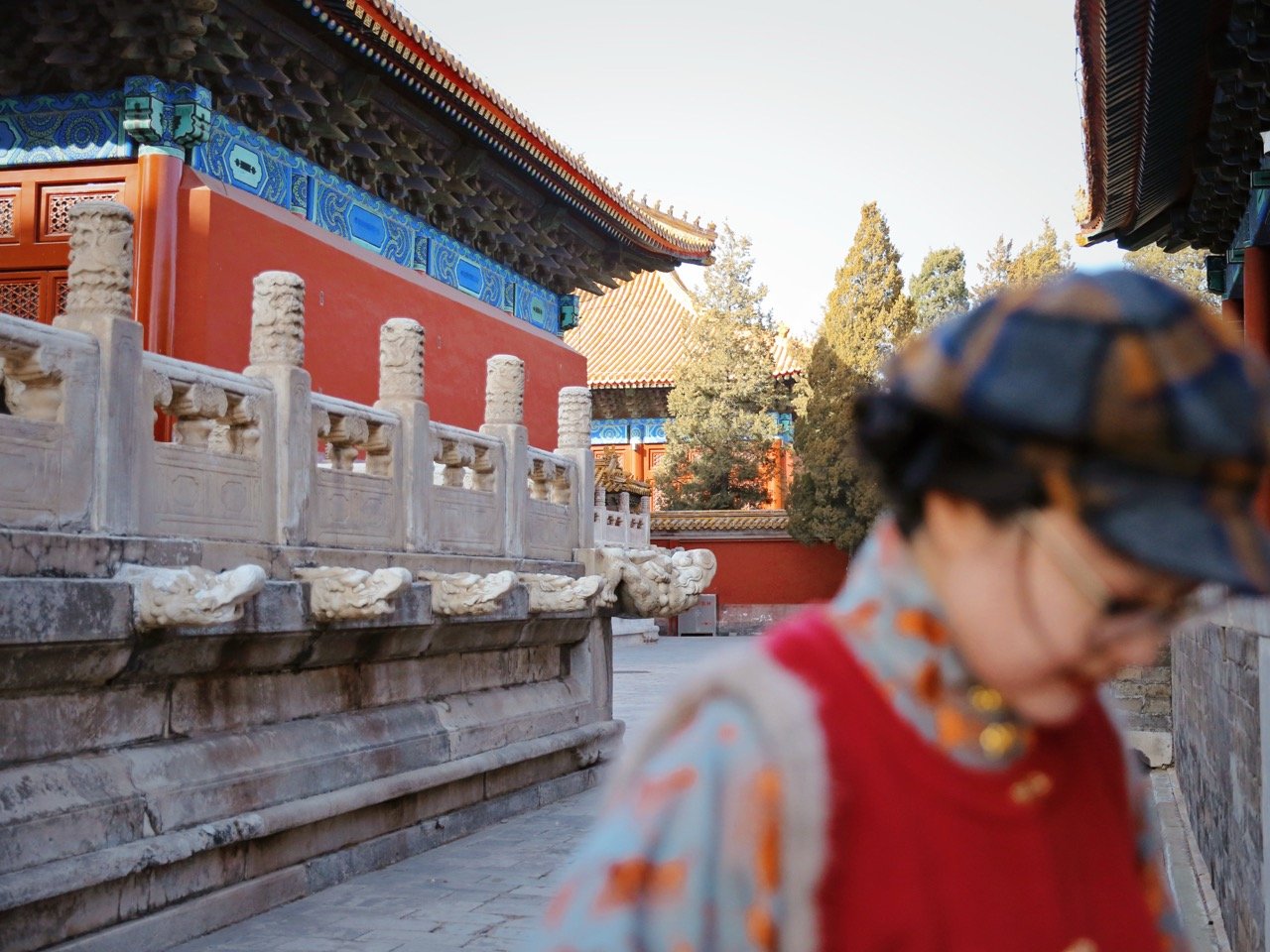
I was born and raised in Beijing, then spent years abroad studying, writing, and changing course.
Distance taught me how deeply my hometown had shaped the way I see.
“I left Beijing more than once. Each time, I came back seeing it more clearly.”
After returning to Beijing with clearer eyes, I founded AxisTrace, my independent cultural guiding practice. Through it, I guide others into the city’s deeper structures, as I have come to experience them myself.
My flagship work centers on Beijing’s central axis, decoded as we read through space, architecture, imperial order, ritual, and everyday life.
I work with independent travelers, culturally curious visitors, and institutional programs seeking a more thoughtful, well-structured encounter with the city.
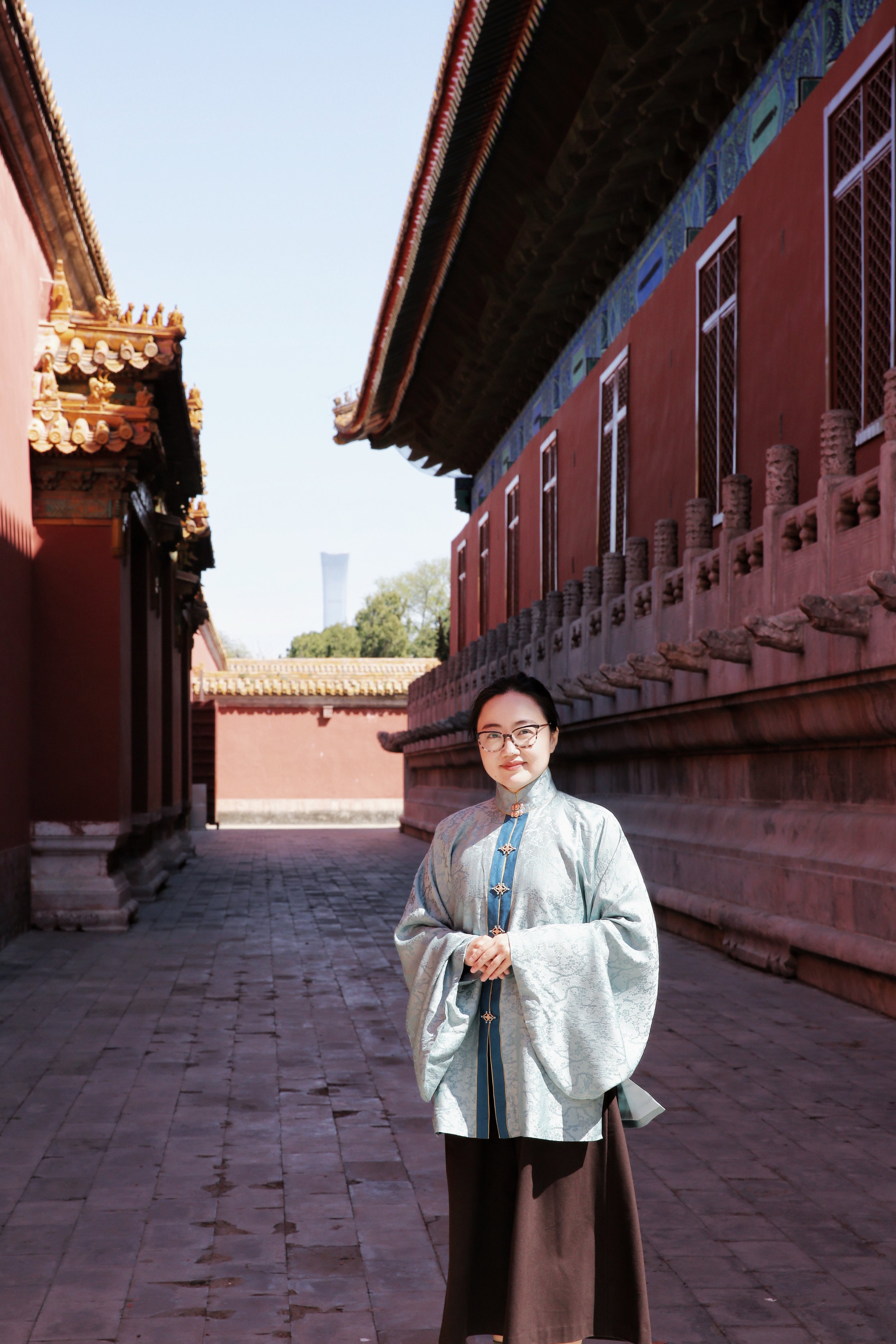
The photographs on this site are all my own, gathered as I move through Beijing, learning where the city reveals itself.
Where I Come From
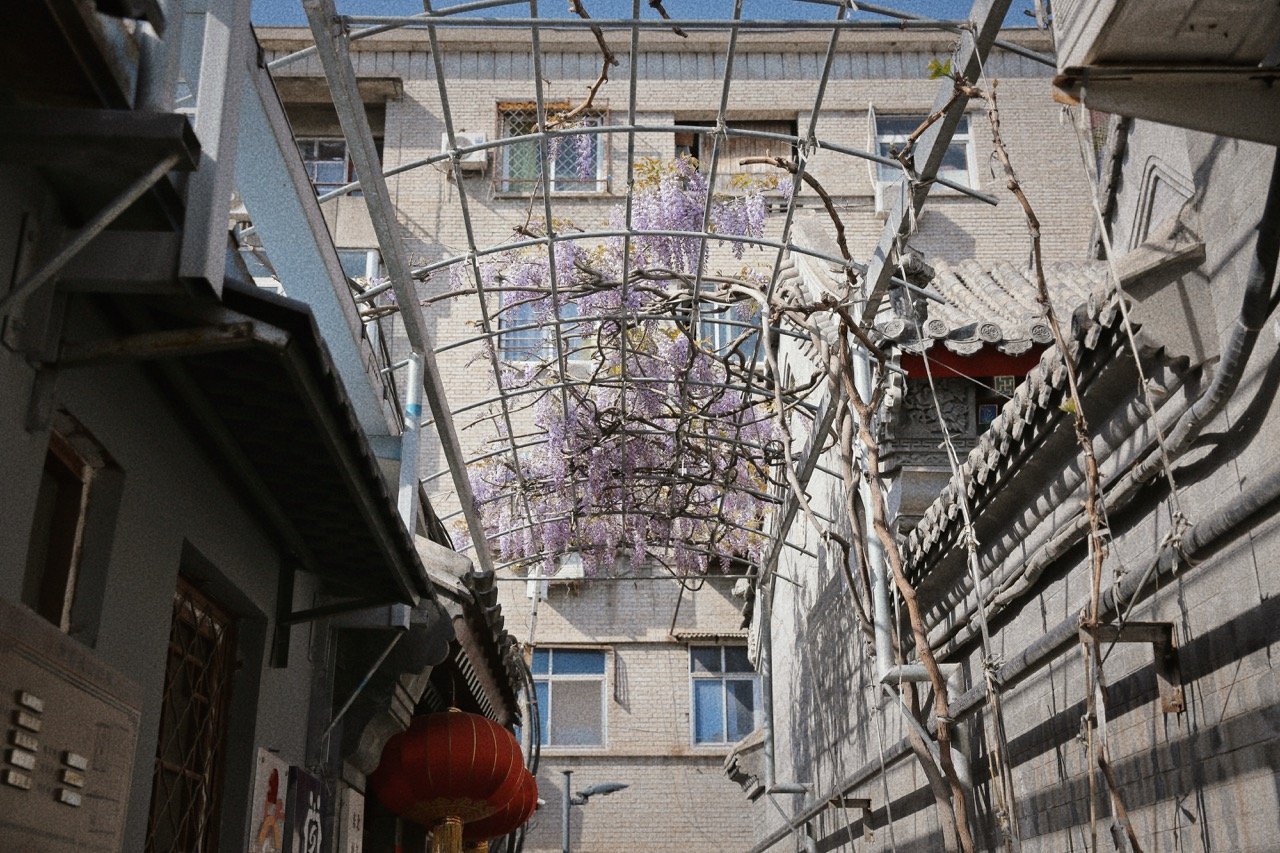
This neighborhood lay at the foot of the Imperial City wall. Residential life gathered at the edge of power.
Six hundred years ago, the Ming Emperor Yongle moved his capital to Beijing and built an imperial palace. Just east of the palace walls, the Eastern Depot (东厂) took root, listening, watching, making arrests. A few hundred meters away, Dengshikou (灯市口) filled with crowds and lantern light each New Year. Dynasties turned. The hutongs became princes’ mansions and courtyard homes. Then in 1955, the writer Lao She moved into one such hutong tucked between the “depot” and the “lanterns,” named Abundance (丰富胡同) and he entered his most abundant years.
This is the very neighborhood where I grew up.
Later, I lived far from home. Architecture school in Los Angeles taught me to read civilization through thresholds, axes, and scale. Computer science in Zurich trained me to look for the rules beneath structures. Neither became a career title. Both became part of how I see.
In the end, I came home with the tools of a cultural decoder.
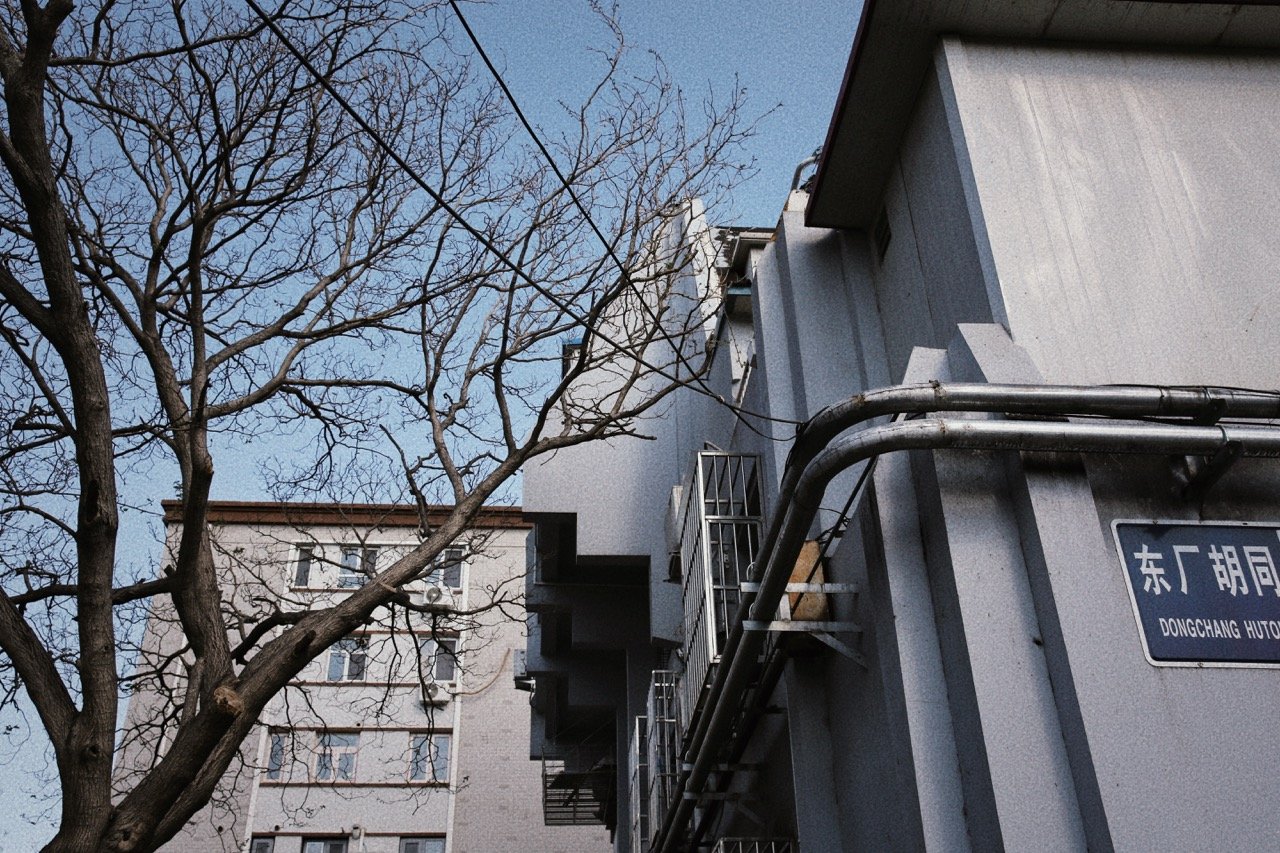
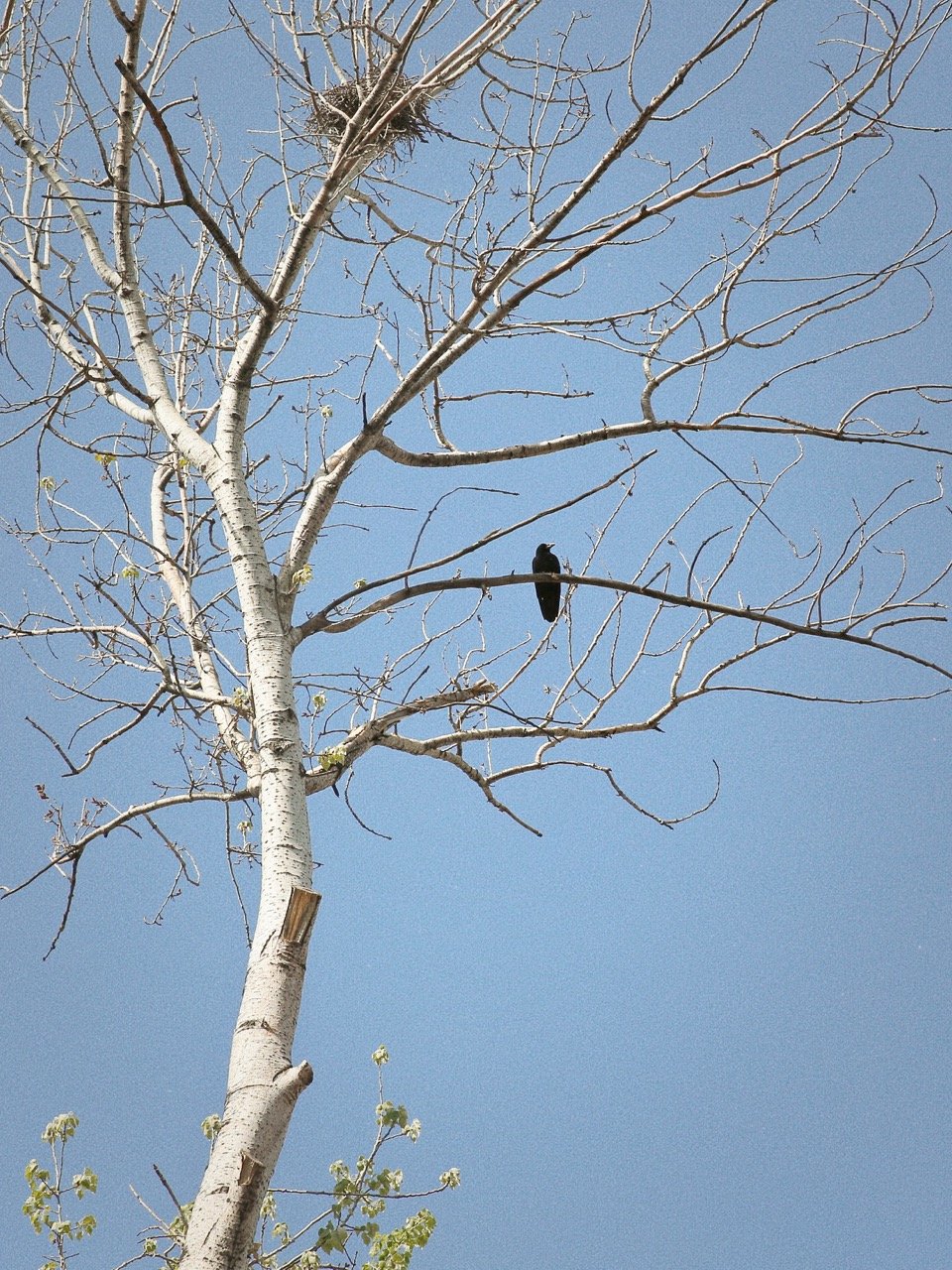
During the Ming Dynasty (1368–1644), the feared Eastern Depot operated nearby, casting a shadow of surveillance over the surrounding streets.
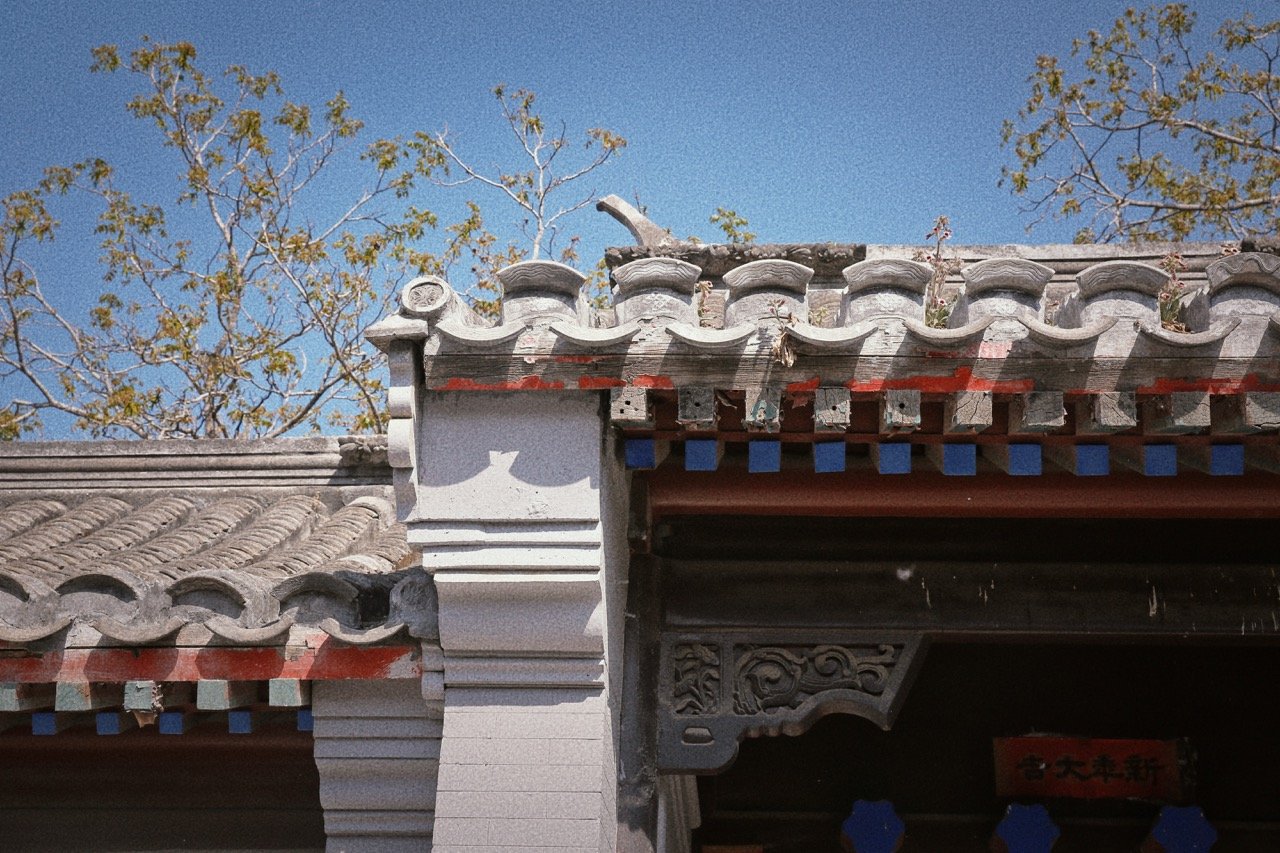
By the Qing Dynasty (1644–1911), grand courtyard houses in this area belonged to princes, nobles, or high officials.
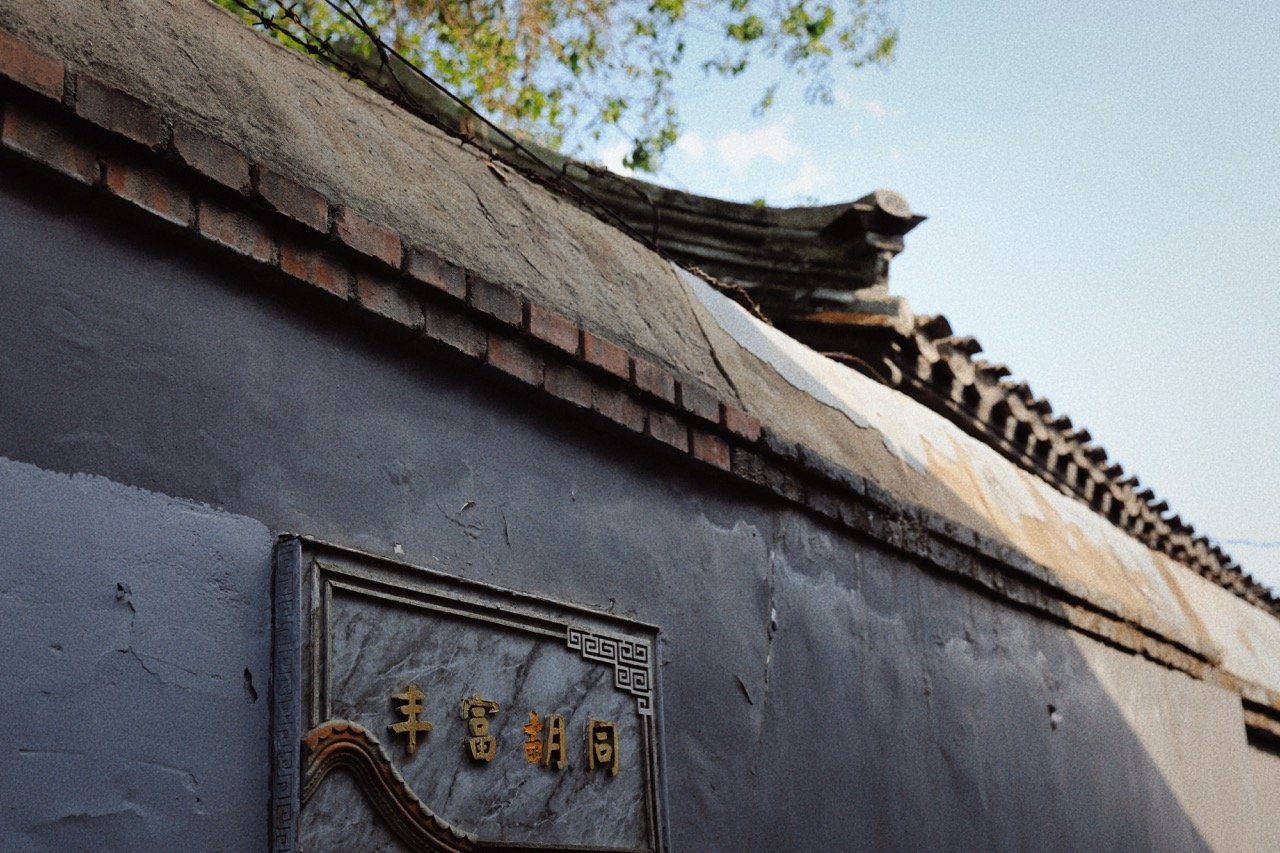
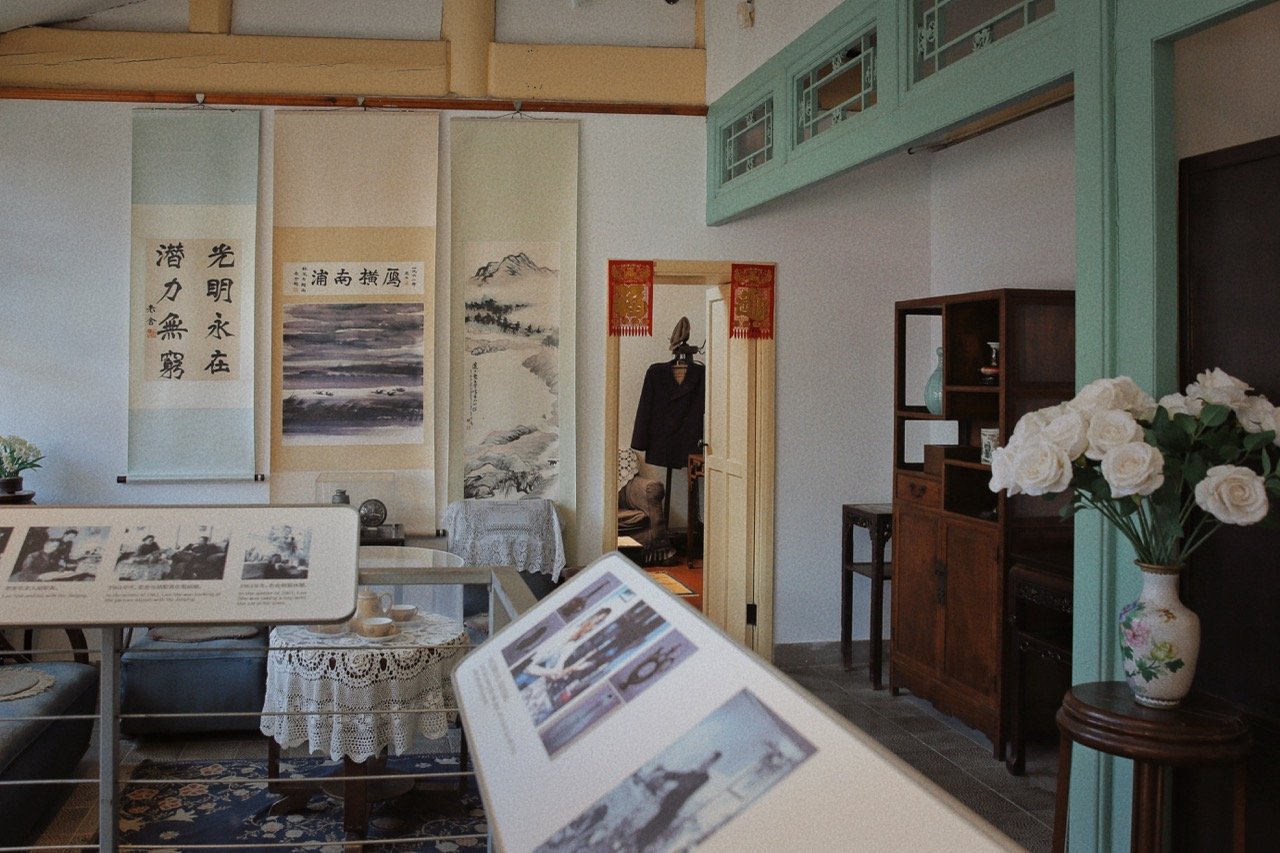
Lao She lived in a small courtyard in Abundance Hutong from 1950 to 1966, during some of his most productive years.
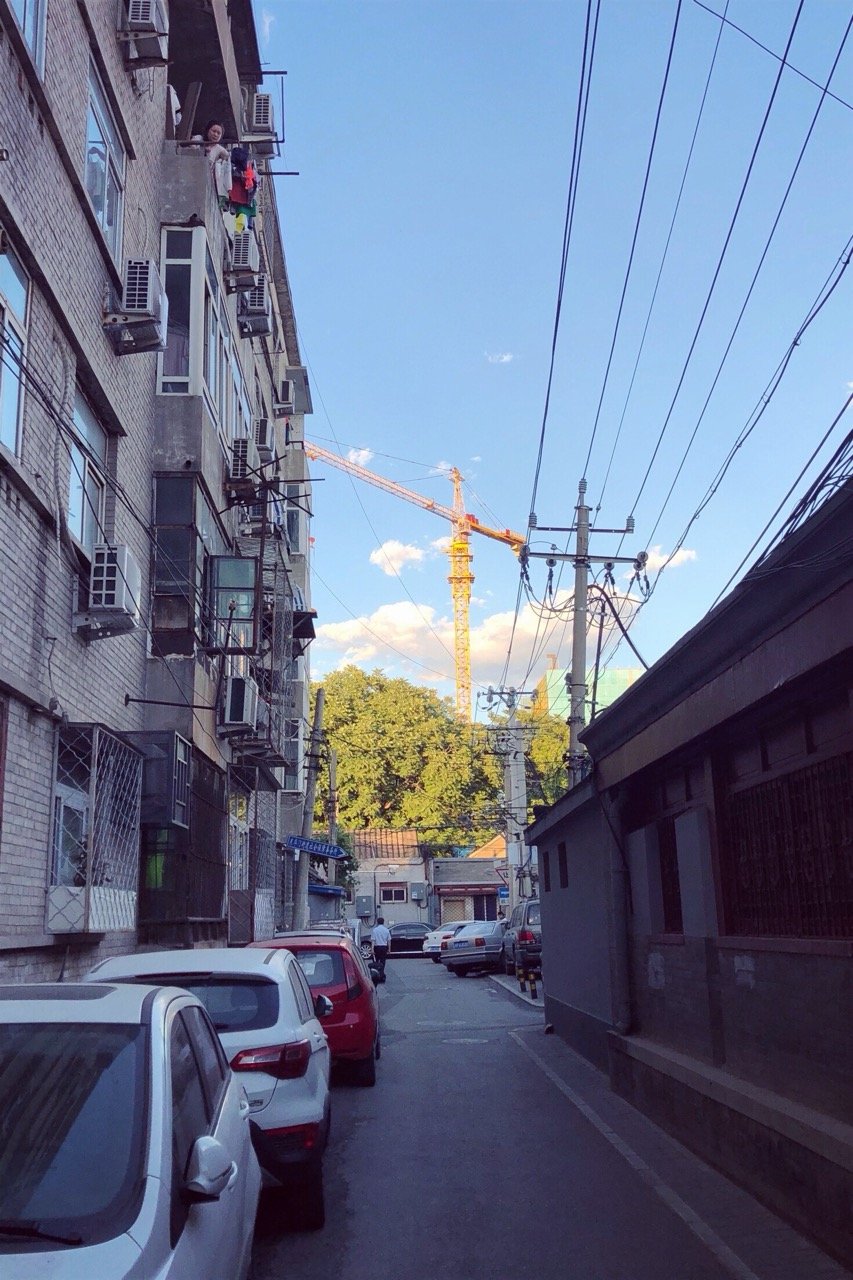
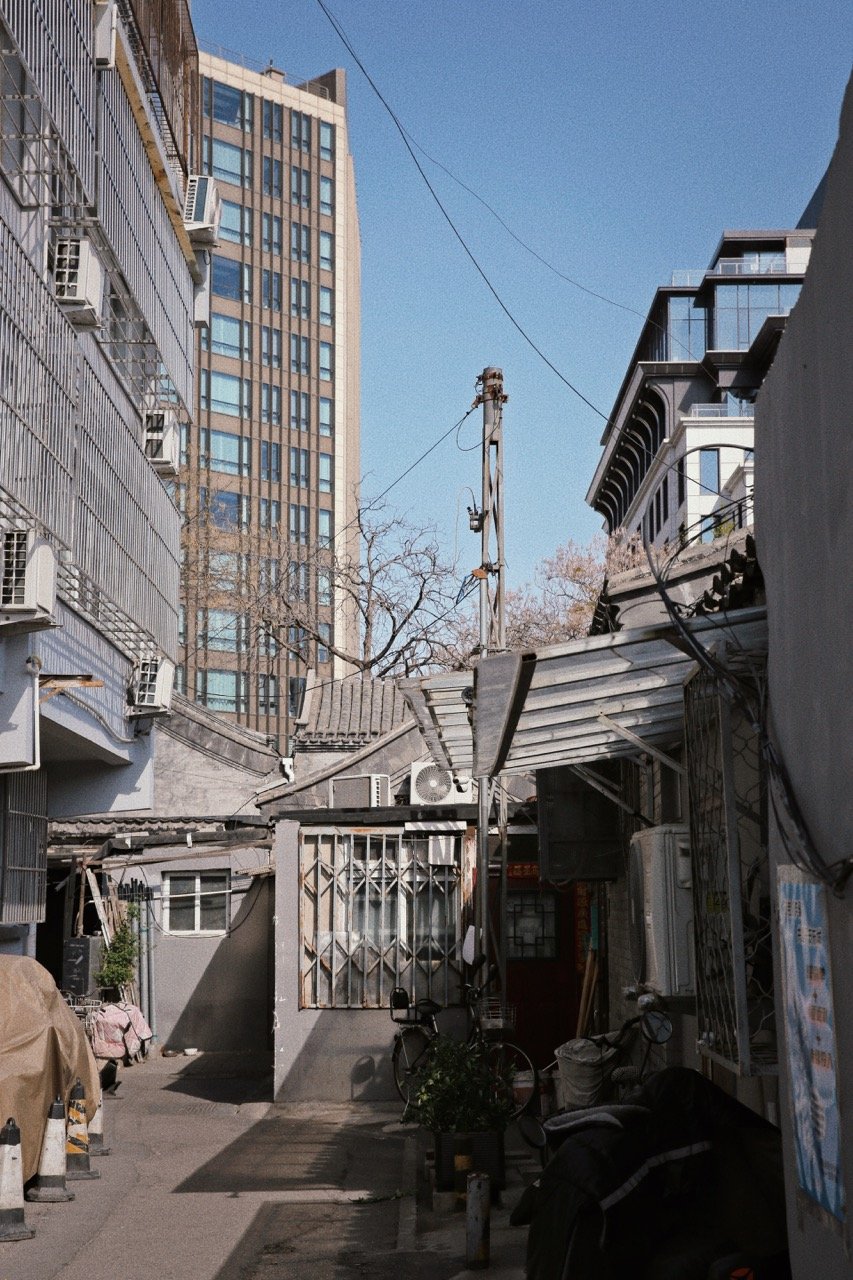
My home is within this slice of time, where imperial residue and modern Beijing overlap.
How I Learned to See
For years, I kept asking a private question: how do I situate myself?
Returning to Beijing, I realized the axis I had been searching for was never a fixed point.
It had been a rhythm all along.
Now I’d like to share that rhythm with you.
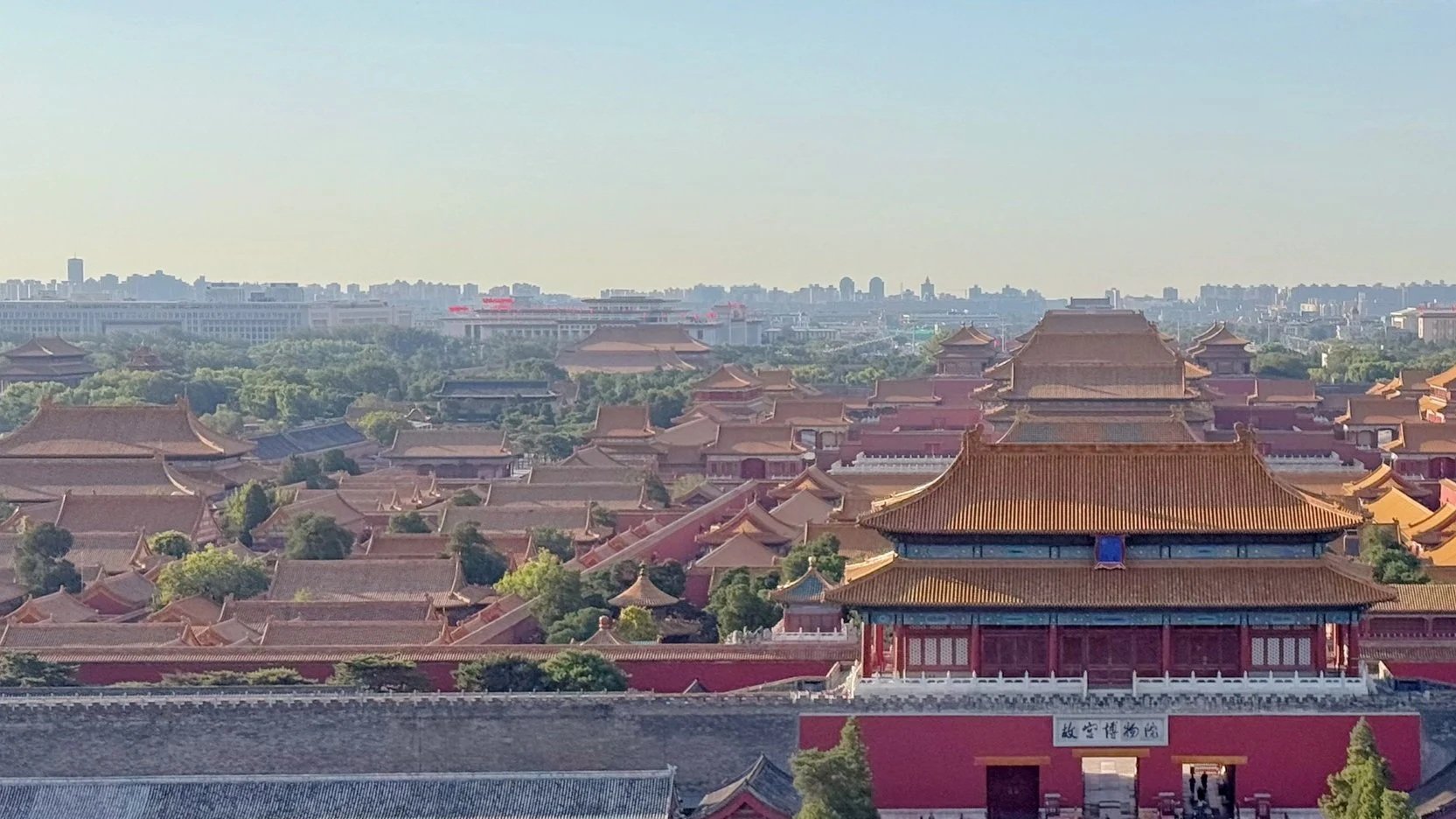
How I Guide
I begin with where we stand, in space, and in time.
You can call me AT during our walks.
I do not like to overwhelm guests with names, numbers, and dates. What matters more is keeping the exchange alive.
Your questions, observations, and unexpected connections often stay with me. They continue to shape how my work grows. We build the experience together.
Beijing does most of the talking. I simply know where to stop, where to look, and how to listen.
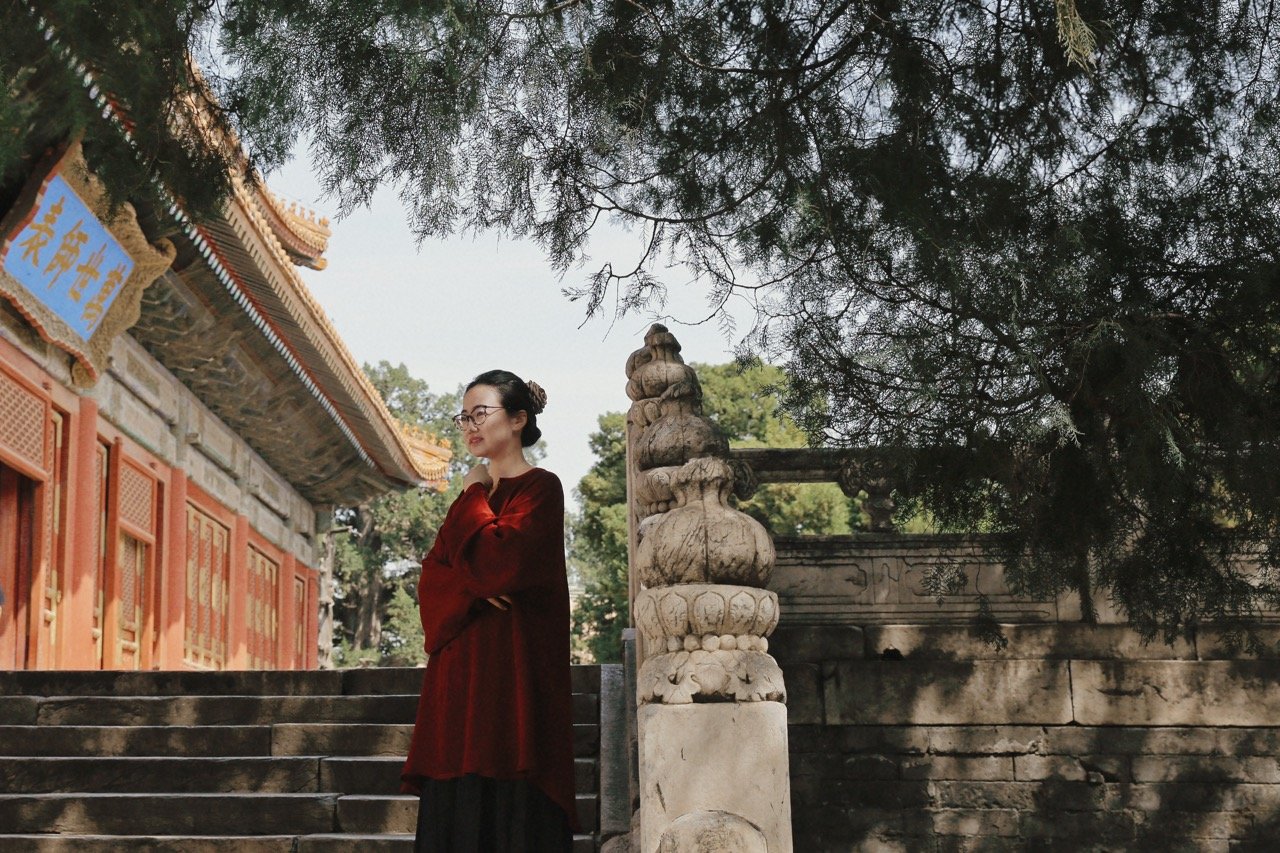
This site was shaped by the same way of seeing that shapes my walks. If, while moving through these pages, Beijing has already begun to feel a little more vivid to you, then the site has done part of its work.